
Gastrointestinal Cancer Treatment in Delhi NCR
Advanced robotic gastrointestinal cancer surgery focused on precision, faster recovery, and better patient outcomes.
Get Consultation
Connect with one the best robotic cancer surgeon in India for Gastrointestinal cancer treatment in Delhi
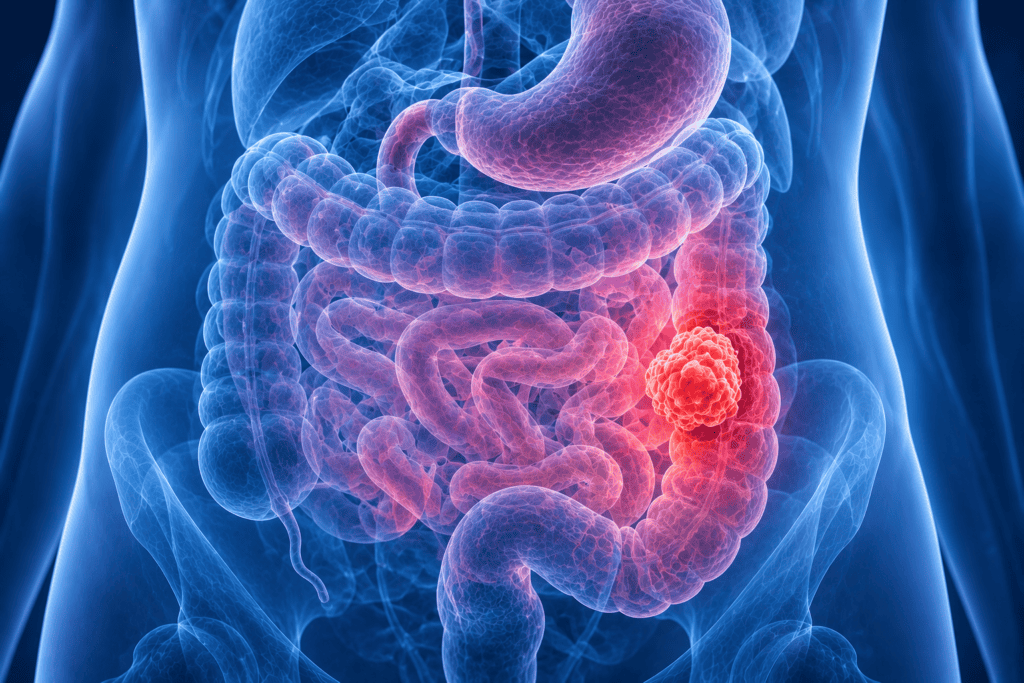
Gastrointestinal Cancer
Precision-driven cancer care combining surgical excellence, robotic technology, and multidisciplinary expertise.
The gastrointestinal system spans from the food pipe to the rectum and includes vital digestive organs such as the stomach, liver, pancreas, gallbladder, and intestines. Cancers that develop in this system can significantly affect digestion, nutrition, and overall health. Early diagnosis and expert surgical care are among the most important factors in achieving the best possible outcomes.
Dr. Surender Kumar Dabas is one of the Best Robotic Cancer Surgeons in India and among the most experienced Surgical Oncology & Robotic Surgery specialists, offering comprehensive Gastrointestinal Cancer Treatment in Delhi NCR. With 22+ years of experience and more than 30,000 complex cancer surgeries performed, he brings together advanced surgical expertise, cutting-edge robotic technology, and a deeply patient-centred approach to care.
Gastrointestinal cancer refers to cancers that develop in the organs of the digestive system. These commonly include cancers of the: Oesophagus (food pipe), Stomach, Liver, Gallbladder, Bile ducts (Cholangiocarcinoma), Pancreas, Small intestine, Colon and rectum (Colorectal cancer), Appendix.
These cancers can affect digestion, nutrition, and overall quality of life. Recognising symptoms early and consulting an experienced Gastrointestinal Cancer Specialist in Delhi NCR can significantly improve treatment outcomes.
Risk Factors for Gastrointestinal Cancer
Certain factors can increase the risk of developing gastrointestinal cancers:
Smoking, and tobacco use
H. pylori (Helicobacter pylori) infection, a major risk factor for stomach cancer
Chronic conditions such as GERD, inflammatory bowel disease, cirrhosis, and chronic pancreatitis
Diet high in processed meats, low in fibre, fruits, and vegetables
Family history of colorectal, stomach, or pancreatic cancer
Genetic conditions such as Lynch syndrome, familial adenomatous polyposis (FAP), and BRCA mutations
Obesity and metabolic syndrome
Excessive alcohol consumption, particularly linked to liver and oesophageal cancer
Symptoms of Gastrointestinal Cancer You Should Not Ignore
Early detection makes a real difference in gastrointestinal cancer outcomes. Speak to a specialist if you or a loved one experiences any of the following for more than two weeks:
Persistent abdominal pain or discomfort
Unexplained weight loss and loss of appetite
Difficulty swallowing or pain while swallowing
Nausea, vomiting, or feeling full quickly after eating
Blood in the stool or black tarry stools
Rectal bleeding or changes in bowel habits
Jaundice (yellowing of the skin or eyes)
Persistent bloating or abdominal swelling
A lump or mass in the abdomen
These symptoms do not always mean cancer, but they should never be ignored. Early evaluation by an experienced Gastrointestinal Cancer Doctor can make all the difference.

How Is Gastrointestinal Cancer Diagnosed?
Accurate diagnosis is the foundation of effective treatment. The diagnostic process at Dr. Dabas's typically includes:
Clinical Examination A thorough assessment of the abdomen and digestive system to identify any abnormalities, including palpation for lumps or organ enlargement.
Endoscopy and Colonoscopy Direct visualisation of the oesophagus, stomach, and colon using a flexible camera to identify tumours, polyps, or suspicious lesions and collect tissue samples.
Endoscopic Ultrasound (EUS) Used to assess the depth of tumour invasion and evaluate nearby lymph nodes, particularly in oesophageal, stomach, and pancreatic cancers.
Biopsy A small tissue sample is taken from the suspected tumour site and examined under a microscope to confirm the diagnosis and identify the exact cancer type and subtype.
Advanced Imaging Depending on the case, imaging studies may include:
- CT Scan (abdomen and pelvis)
- MRI Scan
- PET-CT Scan
- Ultrasound
These help determine the exact size and location of the tumour, whether lymph nodes are involved, and whether the cancer has spread elsewhere.
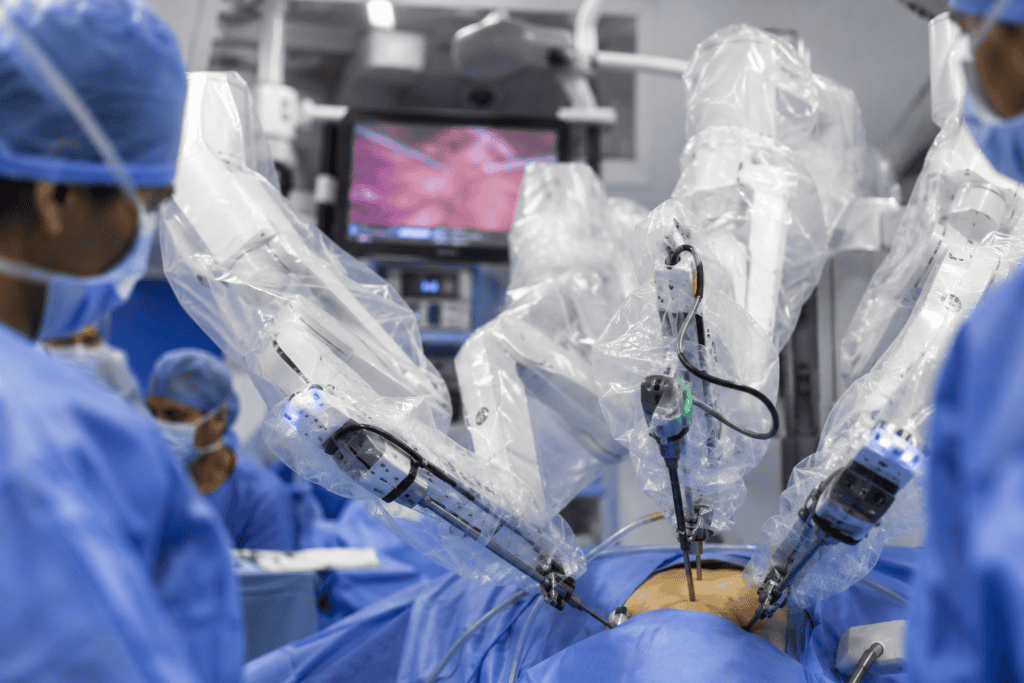
Robotic Surgery for Gastrointestinal Cancer
Advances in surgical technology have transformed gastrointestinal cancer surgery. As one of India's foremost experts in Robotic Cancer Surgery, Dr. Surender Dabas offers advanced robotic GI surgical procedures that combine exceptional precision with a significantly less invasive approach.
Potential Benefits of Robotic Surgery for Gastrointestinal Cancer Patients
- Smaller incisions compared to open abdominal surgery
- Reduced blood loss during surgery
- Less post-operative pain
- Faster recovery and earlier return to daily activities
- Shorter hospital stay
- Enhanced three-dimensional visualisation during surgery
- Better access to deep and confined abdominal structures
- Reduced risk of surgical complications
Is Robotic Surgery the Right Option for Every Patient?
Robotic surgery is not suitable for all patients. The right approach depends on factors including tumour location, cancer stage, individual anatomy, and overall treatment goals. During consultation, Dr. Surender Dabas will assess your case in detail and recommend the most appropriate treatment plan, whether that involves robotic surgery, conventional surgery, or a combination of treatments.
The Dr. Dabas Approach to Gastrointestinal Cancer Care
Effective cancer treatment goes beyond removing a tumour. Dr. Surender Kumar Dabas follows a comprehensive, patient-centred approach built on:
Accurate diagnosis using advanced imaging, endoscopy, and pathology
Personalised treatment planning tailored to each patient's cancer, health, and priorities
Advanced surgical expertise including robotic, minimally invasive, and open GI oncology surgery
Multidisciplinary coordination with gastroenterologists, medical oncologists, radiation oncologists, and rehabilitation specialists
Organ and function preservation wherever feasible, maintaining digestive continuity and nutritional health
Rehabilitation support including nutritional guidance, dietary therapy, and physiotherapy
Long-term follow-up care to monitor recovery and detect any recurrence early
Why Patients Choose Dr. Surender Dabas?
Trusted by patients across India for advanced robotic cancer surgery and personalised cancer care.
Where to Consult Dr. Surender Dabas?
You can consult Dr. Surender Dabas, one of the best surgical oncologist in India, at:
Manipal Hospital, Dwarka, Delhi
A leading tertiary care centre with advanced diagnostics, modern operation theatres, and comprehensive oncology services. Dr. Dabas consults and operates here regularly, offering patients in Delhi access to world-class gastrointestinal cancer care close to home.
Manipal Jivisha Cancer Centre, Sonipat
A dedicated cancer care centre providing multidisciplinary treatment planning, advanced oncology services, and personalised cancer management for patients across Delhi NCR and Haryana.
Recovery After Gastrointestinal Cancer Treatment
Recovery looks different for every patient and depends on the type and extent of treatment. Most patients benefit from a structured recovery programme that may include:
Nutritional guidance, dietary support, and oral supplementation
Physiotherapy to restore strength and abdominal function
Stoma care and management where applicable
Psychological support and counselling
Regular follow-up evaluations and imaging
Get Your Consultation
Frequently Asked Questions
Everything you need to know before your consultation
What are the early signs of gastrointestinal cancer? expand_more
Early signs may include persistent abdominal pain, unexplained weight loss, difficulty swallowing, blood in the stool, changes in bowel habits, jaundice, or persistent bloating. Any symptom lasting more than two weeks should be evaluated by a specialist.
Which doctor should I consult for gastrointestinal cancer treatment in Delhi NCR? expand_more
Consult an experienced Gastrointestinal Cancer Specialist in Delhi NCR or surgical oncologist in gurgaon with expertise in colorectal, stomach, liver, pancreatic, and oesophageal cancers. Dr. Surender Kumar Dabas is widely regarded as the best robotic surgeon in gurgaon with over two decades of specialist experience in gastrointestinal oncology surgery.
Can gastrointestinal cancer be treated with robotic surgery? expand_more
Yes, for selected patients. Robotic Surgery for Gastrointestinal Cancer including robotic colorectal surgery, robotic gastrectomy, robotic liver resection, and robotic Whipple procedure can offer improved precision, smaller incisions, faster recovery, and better preservation of surrounding digestive structures compared to conventional open surgery.
What is the Whipple procedure? expand_more
The Whipple procedure (pancreaticoduodenectomy) is a complex surgical operation to remove the head of the pancreas along with part of the small intestine, bile duct, and sometimes part of the stomach. It is the standard surgical treatment for pancreatic head cancer. Dr. Surender Dabas performs whipple procedure in gurgaon using robotic techniques in selected patients, offering the potential for faster recovery compared to conventional open surgery.
What is robotic colorectal surgery? expand_more
Robotic colorectal surgery is a minimally invasive procedure to remove cancerous sections of the colon or rectum through small keyhole incisions. The robotic system provides the surgeon with enhanced three-dimensional visualisation and precise control, particularly valuable in rectal cancer surgery where preserving bladder and sexual function is a key goal alongside cancer control.
Is robotic surgery better than open surgery for gastrointestinal cancer? expand_more
For the right patient, Robotic Cancer Surgery can offer real advantages including smaller incisions, reduced blood loss, faster recovery, less post-operative pain, and better access to deep abdominal structures. Whether robotic surgery is appropriate depends on individual factors assessed during consultation.
Who is the best GI cancer specialist in Delhi NCR? expand_more
Dr. Surender Kumar Dabas is a leading GI cancer specialist and robotic cancer surgeon providing treatment for stomach cancer, colon cancer, rectal cancer, pancreatic cancer, liver cancer, gallbladder cancer, and esophageal cancer at Manipal Hospital Dwarka and Manipal Jivisha Cancer Centre, Sonipat.
Where can I get robotic gastrointestinal cancer surgery in Delhi? expand_more
Patients seeking robotic gastrointestinal cancer surgery in Delhi can consult Dr. Surender Kumar Dabas at Manipal Hospital Dwarka. Robotic surgery is commonly used for colorectal cancer, stomach cancer, pancreatic cancer, liver cancer, and other gastrointestinal malignancies.
What types of gastrointestinal cancers do you treat? expand_more
Dr. Surender Kumar Dabas treats:
- Colon cancer
- Rectal cancer
- Stomach cancer
- Gastric cancer
- Pancreatic cancer
- Liver cancer
- Gallbladder cancer
- Bile duct cancer
- Esophageal cancer
- Gastrointestinal stromal tumors (GIST)
Where can I get advanced gastrointestinal cancer treatment in Gurgaon? expand_more
Dr. Surender Kumar Dabas, one of the Best Robotic Cancer Surgeons in Gurgaon, offers comprehensive Gastrointestinal Cancer Treatment at Manipal Hospital Dwarka and Manipal Jivisha Cancer Centre, Sonipat. To book a consultation, call 8796173403.
What is the cost of GI cancer treatment in Delhi? expand_more
The cost depends on:
- Type of cancer
- Stage of disease
- Surgical procedure required
- Robotic vs open surgery
- Hospital stay
- Chemotherapy or radiation requirements
A personalized estimate is provided after evaluation of medical records and consultation.
Where can I get stomach cancer treatment in Sonipat? expand_more
Patients seeking stomach cancer treatment in Sonipat can consult Dr. Surender Kumar Dabas at Manipal Jivisha Cancer Centre. He provides comprehensive care for gastric cancer, including diagnosis, staging, robotic surgery, minimally invasive surgery, and multidisciplinary treatment planning tailored to each patient's needs.
Where can I find a robotic cancer surgeon near Panipat? expand_more
Patients from Panipat can consult Dr. Surender Kumar Dabas for robotic cancer surgery and advanced gastrointestinal cancer treatment. He offers robotic-assisted procedures for selected cases of colon cancer, rectal cancer, stomach cancer, pancreatic cancer, and other GI cancers at Manipal Jivisha Cancer Centre, Sonipat, and Manipal Hospital Dwarka.