
Sarcoma Cancer Treatment in Delhi NCR
Advanced robotic and minimally invasive sarcoma surgery focused on precision, preservation, and quality of life.
Get Consultation
Connect with one the best robotic cancer surgeon in India for sarcoma cancer treatment in Delhi
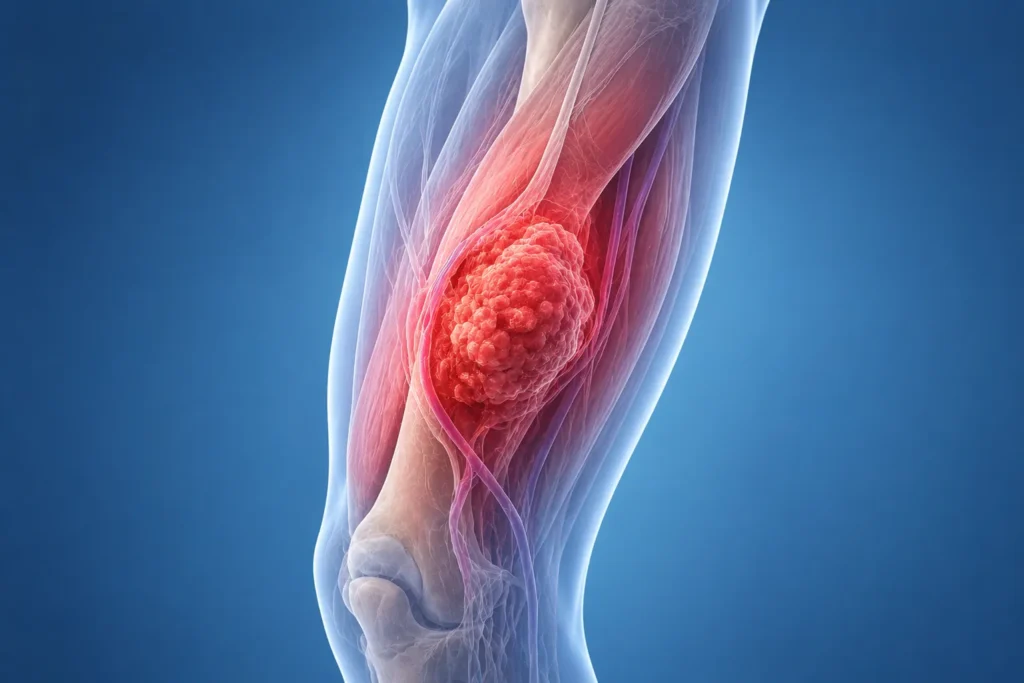
Sarcoma Cancer
Precision-driven cancer care combining surgical excellence, robotic technology, and multidisciplinary expertise.
Sarcomas are rare but complex cancers that can arise in virtually any part of the body. Because they develop in connective tissues, bones, and muscles, they often affect limb function, mobility, and quality of life in ways that demand a highly specialised surgical approach, one that prioritises complete cancer removal alongside maximum preservation of function and appearance.
Sarcoma refers to a group of cancers that develop in the body's connective tissues. These commonly include: Soft tissues such as muscles, fat, blood vessels, nerves, and tendons, Bones, Cartilage, Fibrous tissue, Deep skin tissues.
These cancers can affect movement, function, and overall quality of life. Recognising symptoms early and consulting an experienced Sarcoma Cancer Specialist in Delhi NCR can significantly improve treatment outcomes.
The Surgeon Behind Your Care
Sarcomas are among the most complex cancers a surgeon can face. Their unpredictable locations and proximity to critical structures demand a level of surgical expertise and judgment that very few specialists possess.
Dr. Surender Kumar Dabas is one of the Best Robotic Cancer Surgeons in India and among the most experienced Surgical Oncology & Robotic Surgery specialists, offering comprehensive Sarcoma Cancer Treatment in Delhi NCR. His approach is built on one belief, that complete cancer removal and preserving quality of life are not competing goals. With the right surgeon, the right technology, and the right plan, both are achievable.
Risk Factors for Sarcoma Cancer
Certain factors can increase the risk of developing sarcomas:
Inherited genetic conditions such as Li-Fraumeni syndrome, neurofibromatosis, and familial retinoblastoma
Previous radiation therapy to any part of the body
Exposure to certain industrial chemicals including vinyl chloride, arsenic, and dioxins
Family history of gynaecological cancers
Chronic lymphoedema (long-standing swelling of the limbs)
Certain viral infections such as Human Herpesvirus 8 (HHV-8), linked to Kaposi sarcoma
Previous bone diseases such as Paget's disease of bone
Family history of sarcoma or related cancers
Symptoms of Sarcoma Cancer You Should Not Ignore
Early detection makes a real difference in sarcoma outcomes. Speak to a sarcoma cancer specialist if you or a loved one experiences any of the following for more than two weeks:
A painless or painful lump or swelling anywhere in the body, particularly in the limbs, trunk, or abdomen
A lump that is growing in size over weeks or months
Bone pain that is persistent, unexplained, or worsening at night
A bone that fractures after a minor injury or without significant trauma
Swelling or stiffness in a joint without a clear cause
Abdominal pain, bloating, or a feeling of fullness
Unexplained weight loss
Fatigue and persistent weakness
These symptoms do not always mean cancer, but they should never be ignored. Early evaluation by an experienced Sarcoma Cancer Doctor can make all the difference.

Types of Sarcoma Treated
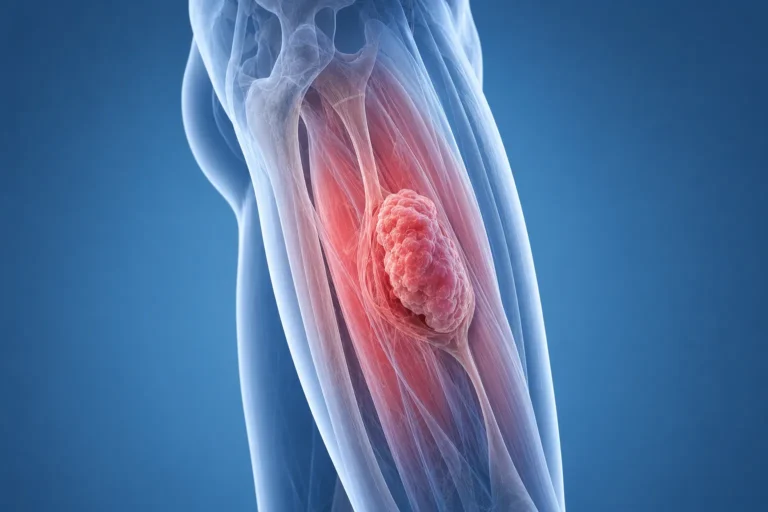
Soft Tissue Sarcoma Treatment
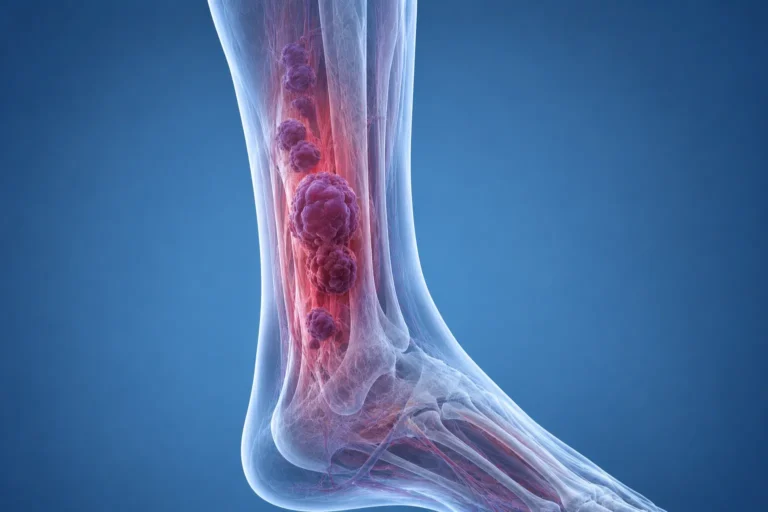
Soft tissue sarcomas develop in the muscles, fat, blood vessels, nerves, tendons, and deep skin tissues. They can occur in any part of the body but are most common in the limbs, trunk, and retroperitoneum. Soft Tissue Sarcoma Treatment involves surgery as the primary treatment, often combined with radiation therapy and chemotherapy depending on tumour grade and stage.
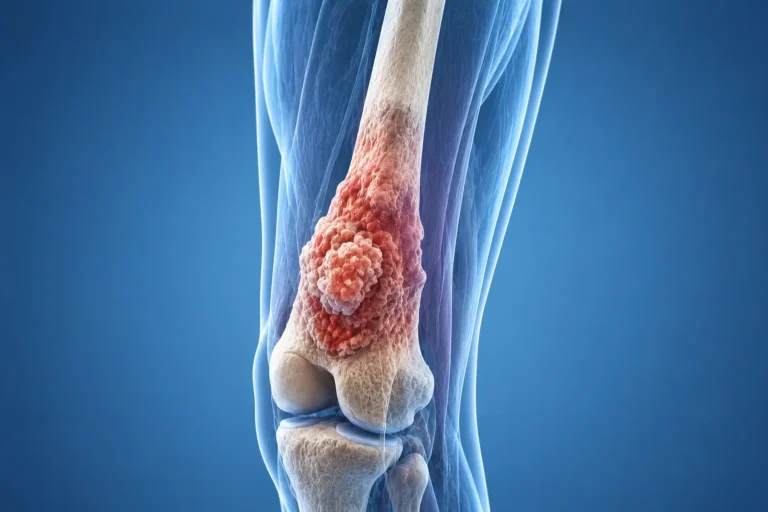
Bone Sarcoma Treatment (Osteosarcoma)
Osteosarcoma is the most common primary bone cancer, most often affecting the long bones around the knee. Bone Sarcoma Treatment typically involves chemotherapy before and after surgery, combined with limb-sparing surgical resection wherever possible.
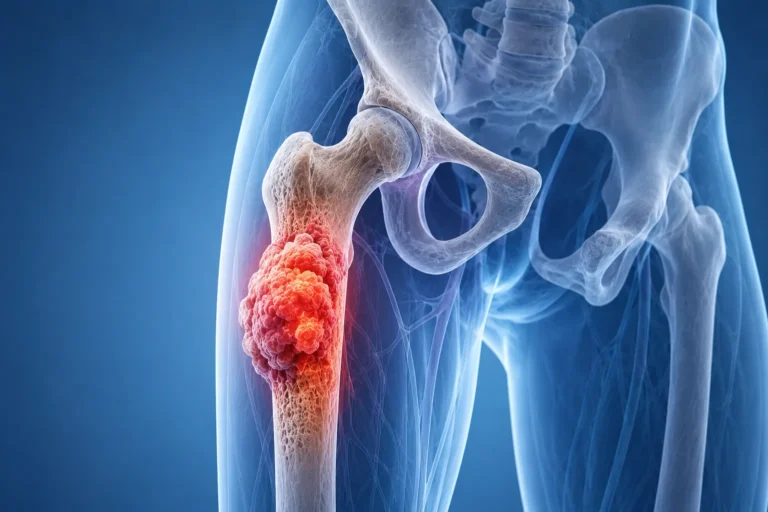
Ewing Sarcoma Treatment
Ewing sarcoma is an aggressive bone and soft tissue cancer that primarily affects children, teenagers, and young adults. Ewing Sarcoma Treatment requires a multimodal approach combining chemotherapy, surgery, and radiation therapy, coordinated by an experienced multidisciplinary oncology team.
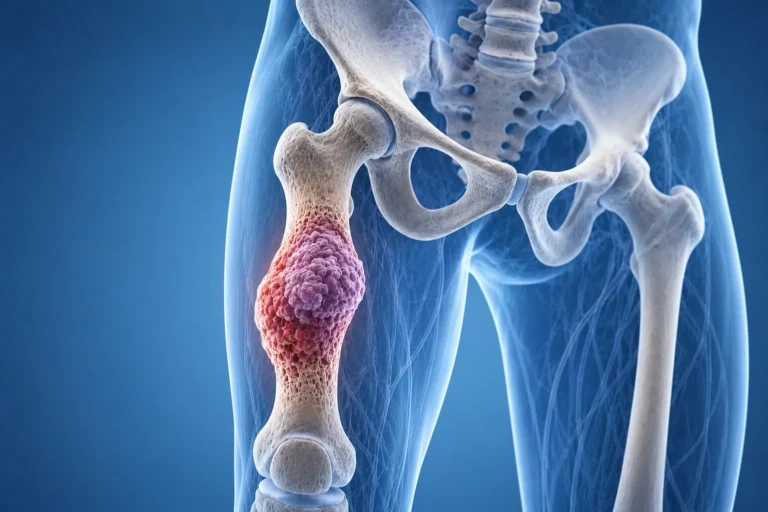
Chondrosarcoma Treatment
Chondrosarcoma is a cancer arising from cartilage cells, most commonly affecting the pelvis, thigh, and shoulder. Unlike many other sarcomas, chondrosarcoma does not respond well to chemotherapy, making surgery the cornerstone of Chondrosarcoma Treatment.
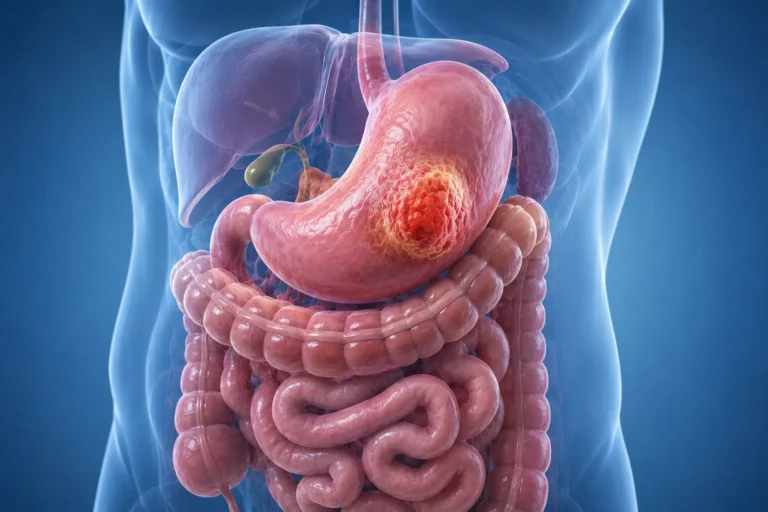
Gastrointestinal Stromal Tumour (GIST) Treatment
GISTs are a specialised type of sarcoma arising from the connective tissue of the gastrointestinal tract. They require a distinct treatment approach including surgery and targeted therapy with imatinib and related agents. GIST Treatment is highly specialised and requires expert surgical and oncological coordination.
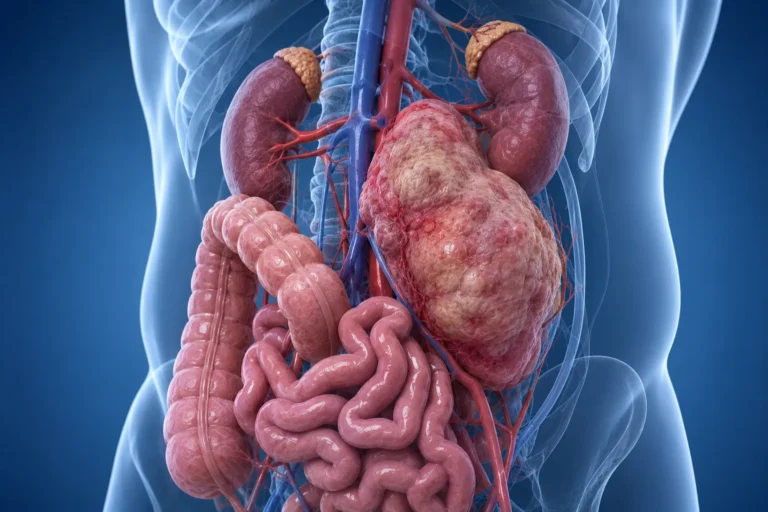
Retroperitoneal Sarcoma Treatment
Retroperitoneal sarcomas develop in the space at the back of the abdomen behind the intestines and major blood vessels. They often grow very large before causing symptoms. Retroperitoneal Sarcoma Treatment requires complex surgical resection by an experienced Sarcoma Cancer Specialist in Delhi NCR.
Kaposi Sarcoma Treatment
Kaposi sarcoma is a cancer arising from the cells lining the blood and lymph vessels, commonly associated with immune suppression and HHV-8 infection. Kaposi Sarcoma Treatment depends on disease extent and immune status and may involve systemic therapy, radiation, or surgery.
How Is Sarcoma Cancer Diagnosed?
Accurate diagnosis is the foundation of effective Sarcoma Cancer Treatment. The diagnostic process at Dr. Dabas's clinic typically includes:
Clinical Examination
A thorough assessment of the lump or affected area, including size, consistency, mobility, and relationship to surrounding structures, to guide further investigation.
Core Needle Biopsy
A needle biopsy is the standard method for obtaining a tissue diagnosis in sarcoma. It is essential that the biopsy is planned carefully by an experienced sarcoma surgeon, as an incorrectly placed biopsy can complicate subsequent surgical resection.
Biopsy
In selected cases, an open or excisional biopsy may be required to obtain adequate tissue for histological and molecular analysis. The biopsy approach must be planned with definitive surgery in mind.
Advanced Imaging
Depending on the case, imaging studies may include:
- MRI Scan (the gold standard for soft tissue sarcoma assessment)
- CT Scan of the chest, abdomen, and pelvis
- PET-CT Scan
- Bone Scan (for bone sarcomas)
- X-Ray
These help determine the exact size and location of the tumour, its relationship to surrounding structures, whether lymph nodes are involved, and whether the cancer has spread elsewhere.
Robotic Surgery for Sarcoma
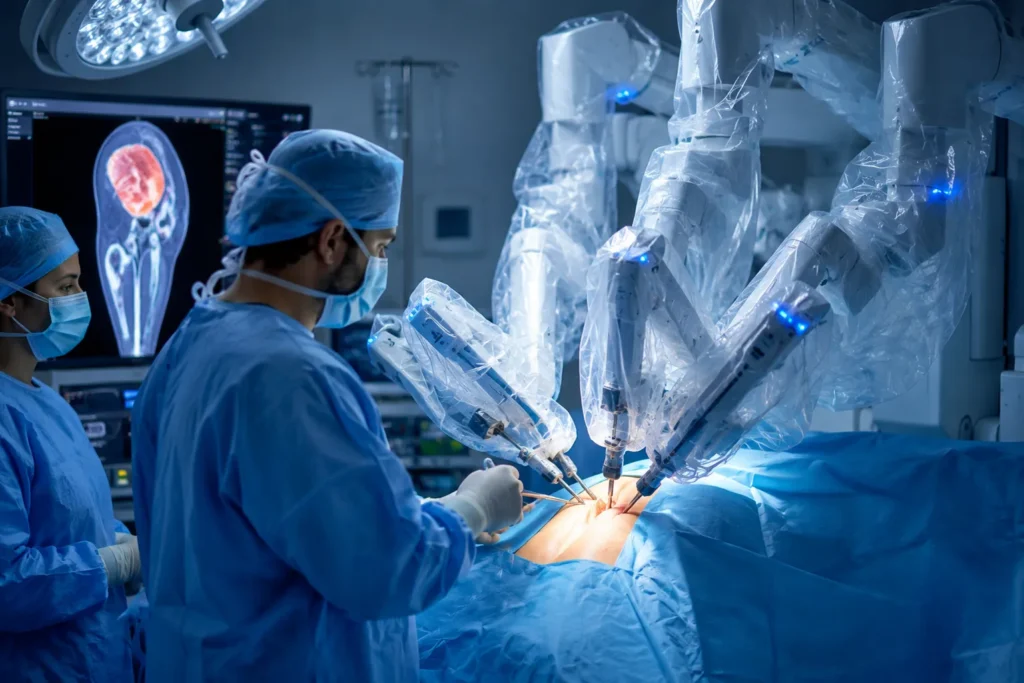
Advances in surgical technology are increasingly being applied to the management of selected sarcomas, particularly those arising in the retroperitoneum, pelvis, trunk, and gastrointestinal tract. As one of India's foremost experts in Robotic Cancer Surgery, Dr. Surender Dabas offers robotic surgical options for selected sarcoma patients, combining exceptional precision with a less invasive approach where feasible.
Potential Benefits of Robotic Surgery for Sarcoma Patients
- Enhanced three-dimensional visualisation of complex tumour anatomy
- Precise dissection in deep and confined anatomical spaces such as the pelvis and retroperitoneum
- Reduced blood loss during surgery
- Smaller incisions where applicable
- Faster recovery and shorter hospital stay
- Better preservation of surrounding nerves, blood vessels, and organs
- Reduced risk of surgical complications
Is Robotic Surgery the Right Option for Every Sarcoma Patient?
Robotic surgery is not suitable for all sarcoma patients. The right approach depends on factors including tumour location, size, grade, proximity to critical structures, and overall treatment goals. During consultation, Dr. Surender Dabas will assess your case in detail and recommend the most appropriate treatment plan, whether that involves robotic surgery, conventional open surgery, or a combination of treatments.
The Dr. Dabas Approach to Sarcoma Cancer Care
Effective sarcoma treatment goes beyond removing a tumour. Dr. Surender Kumar Dabas follows a comprehensive, patient-centred approach built on:
Personalised treatment planning tailored to each patient's sarcoma type, grade, location, and priorities
Advanced surgical expertise including robotic, minimally invasive, limb-sparing, and reconstructive techniques
Multidisciplinary coordination with medical oncologists, radiation oncologists, orthopaedic oncologists, and rehabilitation specialists
Limb and organ preservation wherever feasible, protecting function and quality of life alongside oncological safety
Rehabilitation support including physiotherapy, occupational therapy, and psychological support
Long-term follow-up care to monitor recovery and detect any recurrence early
Why Patients Choose Dr. Surender Dabas?
Decades of excellence in surgical oncology and robotic surgery
Where to Consult Dr. Surender Dabas?
You can consult Dr. Surender Dabas, one of the best surgical oncologists in India, at
Manipal Hospital, Dwarka, Delhi
A leading tertiary care centre with advanced diagnostics, modern operation theatres, and comprehensive oncology services. Dr. Dabas consults and operates here regularly, offering patients in Delhi access to world-class cancer care close to home.
Manipal Jivisha Cancer Centre, Sonipat
A dedicated cancer care centre providing multidisciplinary treatment planning, advanced oncology services, and personalised cancer management for patients across Delhi NCR and Haryana.
Recovery After Sarcoma Cancer Treatment
Recovery looks different for every patient and depends on the type and extent of treatment. Most patients benefit from a structured recovery programme that may include:
Physiotherapy and limb rehabilitation to restore strength and mobility
Occupational therapy to support return to daily activities
Wound care and post-surgical monitoring
Nutritional guidance and dietary support
Psychological support and counselling
Regular follow-up evaluations and imaging
Get Your Consultation
Frequently Asked Questions
Everything you need to know before your consultation
What are the early signs of sarcoma cancer? expand_more
Early signs may include a painless or growing lump anywhere in the body, persistent bone pain, unexplained swelling in a limb or joint, or a bone that fractures without significant injury. Any lump that is growing in size or has been present for more than two weeks should be evaluated by a specialist without delay.
Which doctor should I consult for sarcoma cancer treatment in Delhi NCR? expand_more
Consult an experienced Sarcoma Cancer Specialist in Delhi NCR or Surgical Oncologist in Delhi with expertise in soft tissue sarcoma, bone sarcoma, and GIST. Dr. Surender Kumar Dabas is widely regarded as the Best Robotic Cancer Surgeon in Delhi NCR and one of the Best Surgical Oncologists in India, with over two decades of specialist experience in complex cancer surgery.
Can sarcoma be treated with robotic surgery? expand_more
Yes, for selected patients. Robotic Surgery for Sarcoma, including robotic retroperitoneal sarcoma resection, robotic GIST resection, and robotic pelvic sarcoma surgery, can offer improved precision, better visualisation of complex anatomy, and faster recovery compared to conventional open surgery in appropriately selected cases.
What is limb-sparing surgery for sarcoma? expand_more
Limb-sparing surgery removes the sarcoma completely while preserving the affected limb, avoiding amputation. It is now possible in the majority of patients with extremity sarcomas and is the standard of care at specialist centres. The approach involves complete tumour removal with clear margins, followed by reconstruction using bone grafts, implants, or soft tissue reconstruction as required.
How is sarcoma diagnosed? expand_more
Diagnosis typically involves clinical examination, MRI scan, CT scan of the chest and abdomen, PET-CT scan, and a carefully planned core needle biopsy or open biopsy. The biopsy must be performed by or in close consultation with the treating sarcoma surgeon to avoid compromising subsequent surgical options.
Is robotic surgery better than open surgery for sarcoma? expand_more
For selected sarcomas, particularly those in the retroperitoneum, pelvis, and gastrointestinal tract, Robotic Cancer Surgery can offer real advantages including enhanced precision, better visualisation, reduced blood loss, and faster recovery. Whether robotic surgery is appropriate depends on individual factors assessed during consultation with Dr. Surender Dabas.
How long does recovery take after sarcoma surgery? expand_more
Recovery varies significantly depending on the location and extent of surgery. After limb sarcoma surgery, physiotherapy and rehabilitation play a central role and may continue for several months. After abdominal or retroperitoneal sarcoma surgery, most patients resume light activities within four to six weeks. Your care team will guide you through every stage of recovery.
What affects the outcome of sarcoma treatment? expand_more
Key factors include the sarcoma type and grade, stage at diagnosis, adequacy of surgical margins, and the experience of the treating surgical team. Early diagnosis, treatment at a high-volume specialist centre, and access to multidisciplinary oncology care generally lead to significantly better outcomes.
Where can I get advanced sarcoma cancer treatment in Delhi NCR? expand_more
Dr. Surender Kumar Dabas offers comprehensive Sarcoma Cancer Treatment in Delhi NCR at Manipal Hospital Dwarka and Manipal Jivisha Cancer Centre, Sonipat. To book a consultation, call 8796173403.
Where can I get sarcoma cancer treatment in Gurgaon? expand_more
Dr. Surender Kumar Dabas, the best robotic cancer surgeon in Gurgaon and a leading surgical cancer specialist in Gurgaon, offers comprehensive Sarcoma Cancer Treatment at Manipal Hospital Dwarka, Delhi. To book a consultation, call 8796173403.
Where can I get sarcoma cancer treatment in Faridabad? expand_more
Dr. Surender Dabas is regarded as one of the best sarcoma cancer surgery specialists serving Faridabad. Patients can consult him at Manipal Hospital, Dwarka and Manipal Jivisha Cancer Centre, Sonipat. To book an appointment, call 8796173403.
Where can I get sarcoma cancer treatment in Meerut? expand_more
Patients from Meerut can consult Dr. Surender Kumar Dabas, regarded as the best robotic cancer surgeon in Meerut, at Manipal Hospital Dwarka or Manipal Jivisha Cancer Centre. Call 8796173403.
Where can I get sarcoma cancer treatment in Rohtak? expand_more
Dr. Surender Dabas is recognised as a top robotic cancer surgeon in Rohtak and the wider Haryana region. Patients from Rohtak can consult him at Manipal Hospital Dwarka or Manipal Jivisha Cancer Centre, Sonipat. Call 8796173403.
Where can I get sarcoma cancer treatment in Muzaffarnagar? expand_more
Patients from Muzaffarnagar seeking advanced gynaecological cancer care can consult Dr. Surender Kumar Dabas, a leading robotic cancer surgeon in Muzaffarnagar, at Manipal Hospital Dwarka or Manipal Jivisha Cancer Centre. Call 8796173403.
Where can I get sarcoma cancer treatment in Panipat? expand_more
Patients from Panipat can consult Dr. Surender Kumar Dabas at Manipal Jivisha Cancer Centre, Sonipat, conveniently close to Panipat, or at Manipal Hospital Dwarka, Delhi, for comprehensive Sarcoma Cancer Treatment. Call 8796173403.
Where can I get sarcoma cancer treatment in Sonipat? expand_more
Manipal Jivisha Cancer Centre in Sonipat is one of Dr. Surender Dabas's key operating centres. Patients from Sonipat can access expert Sarcoma Cancer Treatment locally. Call 8796173403.
What is the cost of sarcoma cancer treatment in Delhi with robotic surgery? expand_more
The cost of Sarcoma Cancer Treatment varies depending on the sarcoma type and stage, procedure complexity, hospital stay duration, and whether additional treatments such as chemotherapy or radiation therapy are required. A detailed cost estimate is provided following consultation and review of medical reports. Call 8796173403.