
Gynaecological Cancer Treatment in Delhi NCR
Specialised robotic surgery for gynaecological cancers, delivering precise treatment through a minimally invasive approach.
Get Consultation
Connect with one the best robotic cancer surgeon in India for thoracic cancer treatment in Delhi
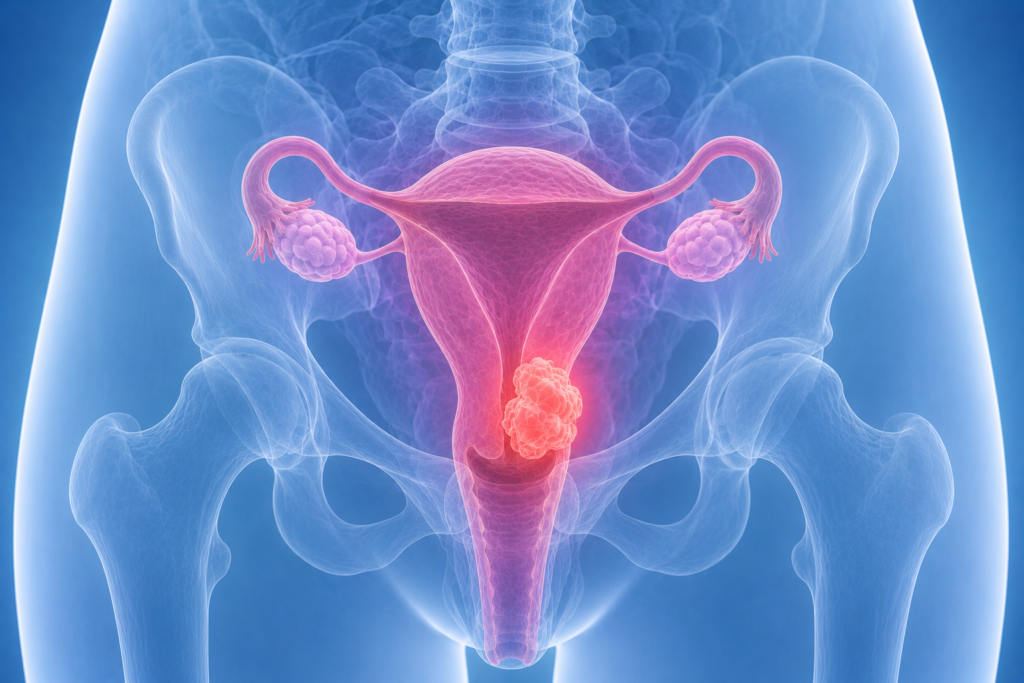
Gynaecological Cancer
Precision-driven cancer care combining surgical excellence, robotic technology, and multidisciplinary expertise
Gynaecological cancers affect the reproductive organs of women and can have a profound impact on physical health, hormonal balance, and quality of life. Early diagnosis and expert surgical care are among the most important factors in achieving the best possible outcomes.
Dr. Surender Kumar Dabas is one of the Best Robotic Cancer Surgeons in India and among the most experienced Surgical Oncology & Robotic Surgery specialists, offering comprehensive Gynaecological Cancer Treatment in Delhi NCR. With 22+ years of experience and more than 30,000 complex cancer surgeries performed, he brings together advanced surgical expertise, cutting-edge robotic technology, and a deeply patient-centred approach to care.
Gynaecological cancer refers to cancers that develop in the female reproductive system. These commonly include cancers of the: Uterus (endometrium), Cervix, Ovaries, Vulva, Vagina, Fallopian tubes.
These cancers can affect hormonal health, fertility, and overall well-being. Recognising symptoms early and consulting an experienced Gynaecological Cancer Specialist in Delhi NCR can significantly improve treatment outcomes.
Risk Factors for Gynaecological Cancer
Certain factors can increase the risk of developing gynaecological cancers:
HPV (Human Papillomavirus) infection
Obesity and hormonal imbalances
Long-Term Oestrogen Exposure
Family history of gynaecological cancers
Previous pelvic radiation therapy
History of Endometriosis or PCOS
Symptoms of Gynaecological Cancer You Should Not Ignore
Early detection makes a real difference in gynaecological cancer outcomes. Speak to a specialist if you or a loved one experiences any of the following for more than two weeks:
Abnormal vaginal bleeding or bleeding after menopause
Unusual vaginal discharge that is watery, bloody, or foul-smelling
Pelvic pain or pressure that does not resolve
Persistent back pain or leg pain
Bloating, abdominal swelling, or feeling full quickly
Frequent or urgent urination
Pain during intercourse
Unexplained weight loss
Changes in bowel habits
These symptoms do not always mean cancer, but they should never be ignored. Early evaluation by an experienced Gynaecological Cancer Doctor can make all the difference.

How Is Gynaecological Cancer Diagnosed?
Accurate diagnosis is the foundation of effective treatment. The diagnostic process at Dr. Dabas's typically includes:
Clinical Examination A thorough pelvic and abdominal assessment to identify any abnormalities in the reproductive organs and surrounding structures.
Colposcopy and Cervical Biopsy A detailed examination of the cervix using a magnifying instrument, with tissue sampling for laboratory analysis where indicated.
Endometrial Biopsy A small sample of the uterine lining is taken and examined to detect abnormal or cancerous cells.
Biopsy A tissue sample taken from the suspected tumour site is examined under a microscope to confirm the diagnosis and identify the exact cancer type.
Advanced Imaging Depending on the case, imaging studies may include:
- CT Scan
- MRI Scan
- PET-CT Scan
- Ultrasound (pelvic and transvaginal)
These help determine the exact size and location of the tumour, whether lymph nodes are involved, and whether the cancer has spread elsewhere.
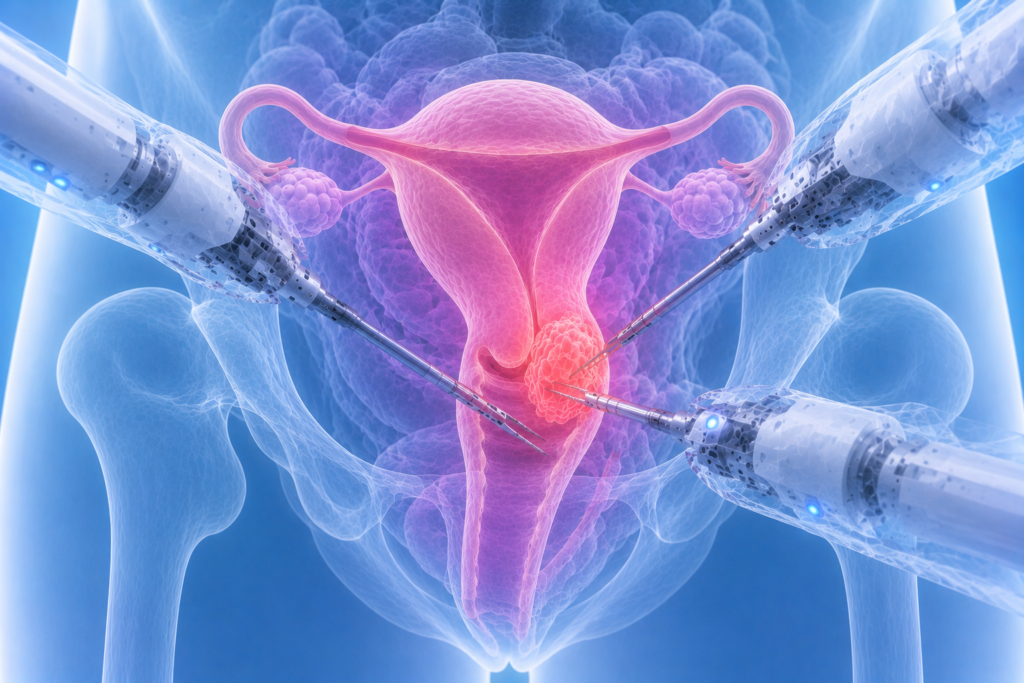
Robotic Surgery for Gynaecological Cancer
Advances in surgical technology have changed the way many gynaecological cancers are treated. As one of India's foremost experts in Robotic Cancer Surgery, Dr. Surender Dabas offers robotic gynaecological surgical options that combine exceptional precision with a significantly less invasive approach.
Potential Benefits of Robotic Surgery for Gynaecological Cancer Patients
- Smaller incisions compared to open abdominal surgery
- Reduced blood loss during surgery
- Less post-operative pain
- Faster recovery and earlier return to daily activities
- Shorter hospital stay
- Better visualisation of the operative field
- Reduced risk of surrounding tissue damage
- Improved cosmetic outcomes
Is Robotic Surgery the Right Option for Every Patient?
Robotic surgery is not suitable for all patients. The right approach depends on factors including tumour location, cancer stage, individual anatomy, and overall treatment goals. During consultation, Dr. Surender Dabas will assess your case in detail and recommend the most appropriate treatment plan, whether that involves robotic surgery, conventional surgery, or a combination of treatments.
The Dr. Dabas Approach to Thoracic Cancer Care
Effective cancer treatment goes beyond removing a tumour. Dr. Surender Kumar Dabas follows a comprehensive, patient-centred approach built on:
Personalised treatment planning tailored to each patient's cancer, health, fertility goals, and priorities
Advanced surgical expertise including robotic, minimally invasive, and open gynaecological oncology surgery
Multidisciplinary coordination with medical oncologists, radiation oncologists, and rehabilitation specialists
Organ and fertility preservation wherever feasible, protecting reproductive function in younger patients
Rehabilitation support including physiotherapy, nutritional guidance, and psychological support
Long-term follow-up care to monitor recovery and detect any recurrence early
Why Patients Choose Dr. Surender Dabas?
Decades of excellence in surgical oncology and robotic surgery
Where to Consult Dr. Surender Dabas?
You can consult Dr. Surender Dabas, one of the best surgical oncologists in India, at
Manipal Hospital, Dwarka, Delhi
A leading tertiary care centre with advanced diagnostics, modern operation theatres, and comprehensive oncology services. Dr. Dabas consults and operates here regularly, offering patients in Delhi access to world-class cancer care close to home.
Manipal Jivisha Cancer Centre, Sonipat
A dedicated cancer care centre providing multidisciplinary treatment planning, advanced oncology services, and personalised cancer management for patients across Delhi NCR and Haryana.
Recovery After Gynaecological Cancer Treatment
Recovery looks different for every patient and depends on the type and extent of treatment. Most patients benefit from a structured recovery programme that may include:
Physiotherapy and pelvic floor rehabilitation
Nutritional guidance and dietary support
Hormonal support and management where required
Psychological support and counselling
Regular follow-up evaluations and imaging
Get Your Consultation
Frequently Asked Questions
Everything you need to know before your consultation
What are the early signs of gynaecological cancer? expand_more
Early signs may include abnormal vaginal bleeding, unusual discharge, pelvic pain, bloating, or changes in urinary or bowel habits. Any symptom persisting for more than two weeks should be evaluated by a specialist.
Which doctor should I consult for gynaecological cancer treatment in Delhi NCR? expand_more
Consult an experienced Gynaecological Cancer Specialist in Delhi NCR or surgical oncologist with expertise in uterine, cervical, ovarian, vulvar, and vaginal cancers. Dr. Surender Kumar Dabas is widely regarded as the Best Robotic Cancer Surgeon in Delhi NCR with over two decades of specialist experience in gynaecological oncology surgery.
Can gynaecological cancer be treated with robotic surgery? expand_more
Yes, for selected patients. Robotic Surgery for Gynaecological Cancer including robotic hysterectomy, robotic radical hysterectomy, and robotic lymph node dissection can offer improved precision, smaller incisions, faster recovery, and better preservation of surrounding structures compared to conventional open surgery.
What is robotic hysterectomy? expand_more
Robotic Hysterectomy is a minimally invasive surgical procedure to remove the uterus using robotic technology. It allows the surgeon to operate through small keyhole incisions with enhanced precision and three-dimensional visualisation, resulting in reduced blood loss, less pain, and faster recovery compared to open surgery.
How is gynaecological cancer diagnosed? expand_more
Diagnosis typically involves clinical examination, pelvic ultrasound, CT scan, MRI, PET-CT scan, biopsy, and in some cases endometrial sampling or colposcopy.
Is robotic surgery better than open surgery for gynaecological cancer? expand_more
For the right patient, Robotic Cancer Surgery can offer real advantages including smaller incisions, reduced blood loss, faster recovery, and less post-operative pain. Whether robotic surgery is appropriate depends on individual factors assessed during consultation.
How long does recovery take after gynaecological cancer surgery? expand_more
Recovery varies depending on the type and extent of surgery. Many patients resume light daily activities within a few weeks, though complete recovery may take longer, particularly after complex procedures. Your care team will guide you through every stage.
What affects the outcome of gynaecological cancer treatment? expand_more
Key factors include cancer type, stage at diagnosis, overall health, and the experience of the treating surgical team. Early detection and treatment at a high-volume specialised centre generally leads to significantly better outcomes.
Where can I get advanced gynaecological cancer treatment in Delhi NCR? expand_more
Dr. Surender Kumar Dabas offers comprehensive Gynaecological Cancer Treatment at Manipal Hospital Dwarka and Manipal Jivisha Cancer Centre, Sonipat. To book a consultation, call 8796173403.
Where can I get advanced gynaecological cancer treatment in Gurgaon? expand_more
Dr. Surender Kumar Dabas, one of the Best Robotic Cancer Surgeons in Gurgaon, offers comprehensive Gynaecological Cancer Treatment at Manipal Hospital Dwarka and Manipal Jivisha Cancer Centre, Sonipat. To book a consultation, call 8796173403.
Where can I get advanced gynaecological cancer treatment in Faridabad? expand_more
Dr. Surender Dabas is regarded as one of the best gynaecological cancer surgery specialists serving Faridabad. Patients can consult him at Manipal Hospital, Dwarka and Manipal Jivisha Cancer Centre, Sonipat for comprehensive Gynaecological Cancer Treatment in Delhi NCR. To book an appointment, call 8796173403.
Where can I get advanced gynaecological cancer treatment in Meerut? expand_more
Patients from Meerut can access world-class gynaecological cancer care by consulting Dr. Surender Kumar Dabas, regarded as the best robotic cancer surgeon in Meerut, at Manipal Hospital Dwarka or Manipal Jivisha Cancer Centre. Call 8796173403.
Where can I get advanced gynaecological cancer treatment in Rohtak? expand_more
Dr. Surender Dabas is recognised as a top robotic cancer surgeon in Rohtak and the wider Haryana region. Patients from Rohtak can consult him at Manipal Hospital Dwarka or Manipal Jivisha Cancer Centre, Sonipat. Call 8796173403.
Where can I get advanced gynaecological cancer treatment in Muzaffarnagar? expand_more
Patients from Muzaffarnagar seeking advanced gynaecological cancer care can consult Dr. Surender Kumar Dabas, a leading robotic cancer surgeon in Muzaffarnagar, at Manipal Hospital Dwarka or Manipal Jivisha Cancer Centre. Call 8796173403.
Where can I get advanced gynaecological cancer treatment in Panipat? expand_more
Patients from Panipat can consult Dr. Surender Kumar Dabas at Manipal Jivisha Cancer Centre, Sonipat, conveniently close to Panipat, or at Manipal Hospital Dwarka, Delhi, for comprehensive Gynaecological Cancer Treatment. Call 8796173403.
Where can I get advanced gynaecological cancer treatment in Sonipat? expand_more
Manipal Jivisha Cancer Centre in Sonipat is one of Dr. Surender Dabas's key operating centres. Patients from Sonipat can access expert Gynaecological Cancer Treatment locally. Call 8796173403.
What is the cost of gynaecological cancer treatment in Delhi with robotic surgery? expand_more
The cost of Gynaecological Cancer Treatment with robotic surgery varies depending on cancer type and stage, procedure complexity, hospital stay duration, and whether additional treatments such as chemotherapy or radiation therapy are required. A detailed cost estimate is provided following consultation and review of medical reports.